

The Ultimate Backpacking Essentials List for Indian Travelers
TL;DR — What You Actually Need
Pack a durable main bag, one versatile daypack, 3–4 quick-dry outfits, rain protection, a basic first-aid kit, and your documents. Everything else is optional. Read on for the full breakdown by category — built specifically for Indian terrain, weather, and travel culture.
Why Most Packing Lists Fail Indian Travelers
You've seen the generic travel packing lists — the ones that recommend four pairs of jeans and a full toiletry kit for a 10-day trip. They're written for European city breaks, not for Kasol in July or Coorg in September. Indian backpacking demands a different approach: gear that handles humidity, dust, altitude swings, and the chaotic beauty of a 36-hour train ride. This list is built for that reality.
The Bag Setup: Your Most Important Decision
Before you pack a single item, get your bag situation right. For most Indian backpacking trips, you need two things:
- A main travel bag (25–45L): Big enough for a week, small enough for an overhead compartment or bus rack. Avoid rolling luggage — it's useless on mountain paths and crowded train platforms.
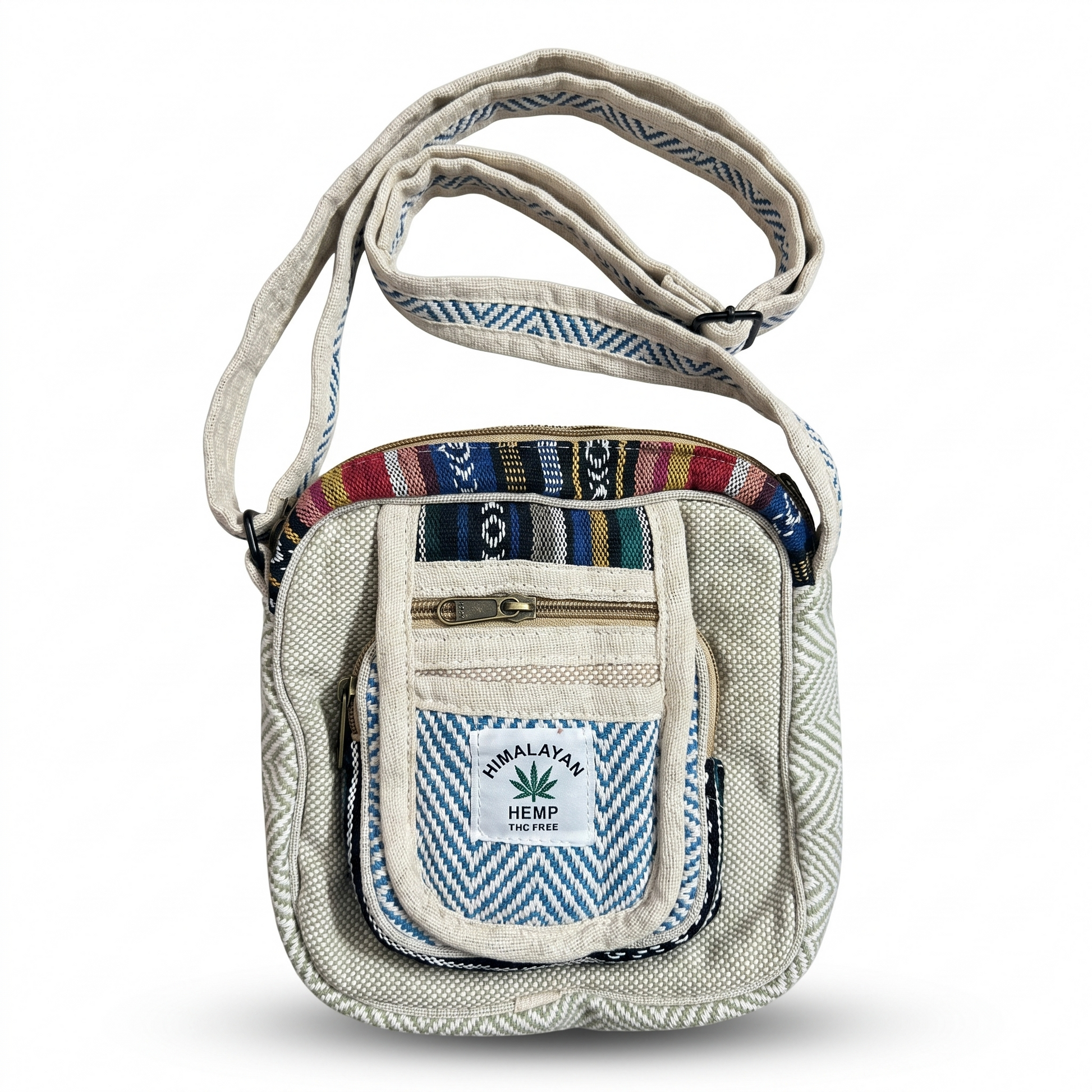
- A daypack or sling for daily use: Something you can carry on treks, markets, and city exploration without looking like a tourist. A hemp sling bag for travel is our top pick — lightweight, sturdy, and genuinely sustainable.
Hemp bags have become a go-to for Indian backpackers because they're naturally durable, get stronger with use, and carry the RTI (Responsible Travel Initiative) ethos that Khojo is built on. If you're travelling through Northeast India or Himachal, the breathability and low weight of hemp make a real difference over a long day.
Clothing: Pack Less, Choose Better
The golden rule: three to four outfits, all quick-dry. India's climate ranges from Rajasthan desert heat to Sikkim mountain cold within the same trip for many travellers — layers are your best friend.
- 3–4 travel t-shirts for Indian explorers: Lightweight, breathable, and fast-drying. Avoid cotton — it holds sweat and takes forever to dry in monsoon humidity.
- 1 lightweight fleece or hoodie: Essential for Himachal, Uttarakhand, and Northeast India even in summer months.
- 1 pair of versatile trekking pants or convertibles: Zip-off pants work surprisingly well across temples, trails, and markets.
- Underwear (quick-dry, 4 pairs): The most underrated item on any list.
- 1 pair of trekking shoes + sandals/slippers: Two footwear options cover 95% of Indian travel situations.

Rain & Weather Protection
If you're travelling between June and September, rain protection isn't optional — it's survival. The Indian monsoon is one of the most intense in the world, and getting caught on a trail without rain gear is a genuinely miserable experience.
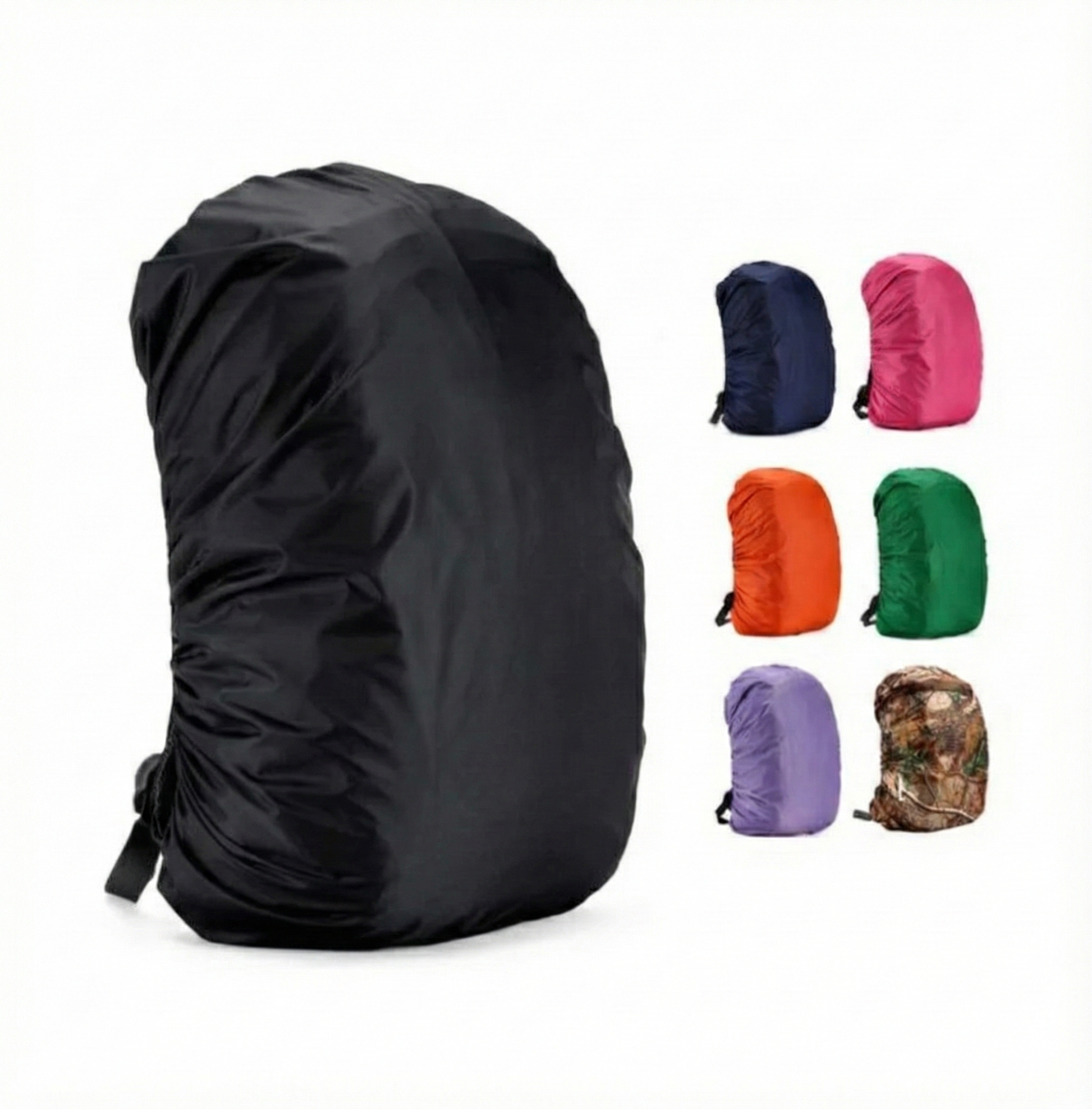
- Waterproof rain cover for backpack: Protects your main bag when it's lashed to a bus roof or when you're caught in a sudden downpour on a Meghalaya ridge.
- Compact rain poncho: Lighter and more packable than a jacket. Buy one locally in any hill station if you forget.
- Dry bags or zip-lock pouches: Protect your phone, passport, and power bank. Non-negotiable for coastal and monsoon travel.
Tech & Navigation Essentials
Keep this list short. Overpacking tech is one of the biggest mistakes first-time backpackers make.
- Power bank (20,000 mAh): Non-negotiable in areas with patchy power supply — which is most of hill India.
- Universal travel adapter: India's plug sockets are inconsistent even within states.
- Offline maps (Maps.me or Google Maps downloaded): Mobile data disappears fast in the mountains.
- Headlamp: More useful than a phone torch in tents, guesthouses, and caves. Hands-free matters.
- SIM card: Airtel and Jio both have pan-India plans. Get a local SIM before you leave a major city.
Health, Safety & Documents
A small first-aid kit goes a long way when you're three hours from the nearest pharmacy.
- ORS sachets (essential for monsoon travel and high altitude)
- Basic medicines: paracetamol, Diamox (altitude), antacids, antihistamines
- Band-aids, antiseptic cream, blister pads
- Photocopies and digital backups of all ID documents
- Travel insurance — underrated, but cheap
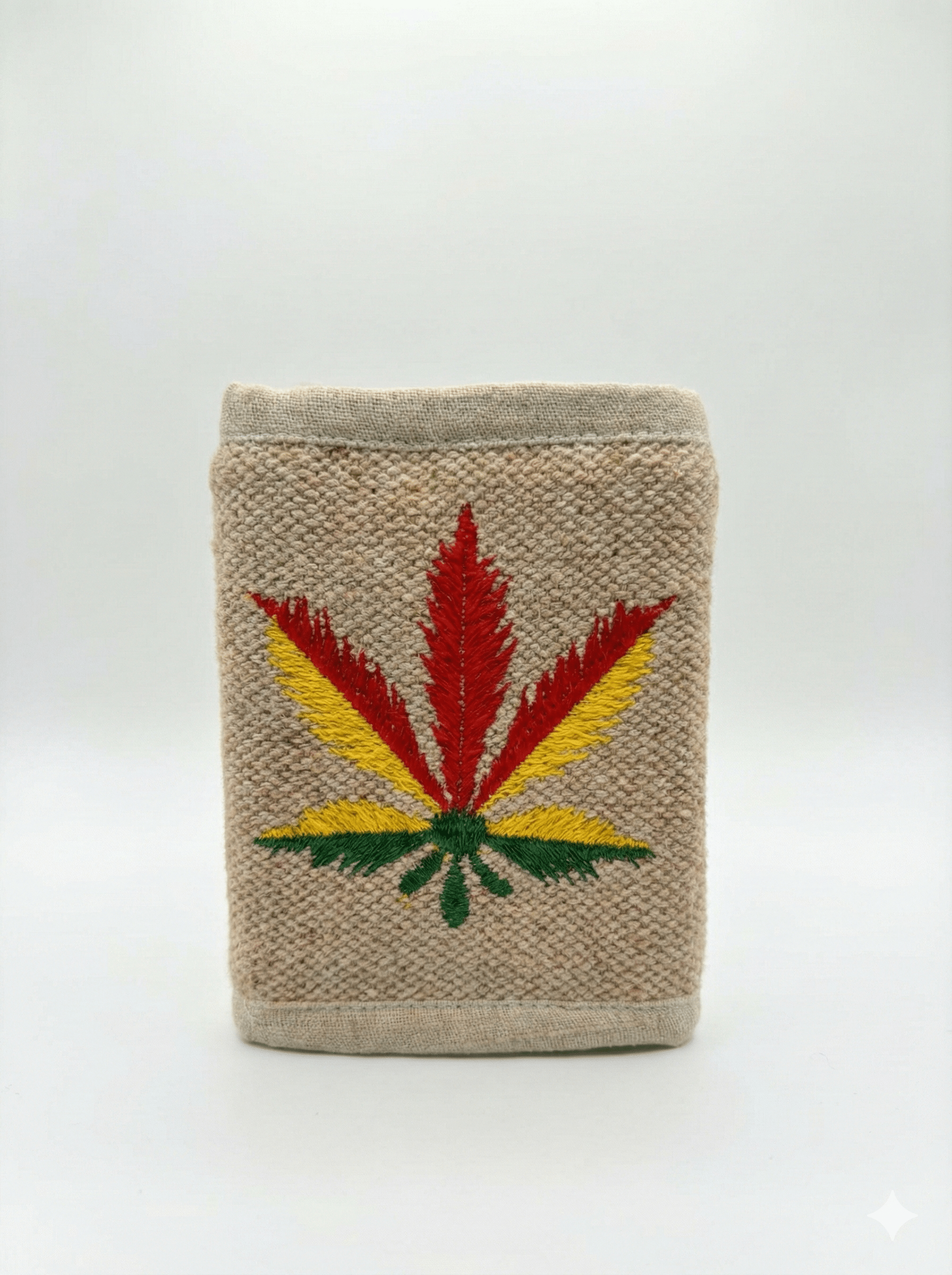
- An eco travel wallet with RFID protection for cards and IDs
The Responsible Travel Angle
At Khojo, travel is more than logistics — it's about showing up well for the places you visit. That means choosing sustainable gear where possible, supporting local businesses, and leaving trails cleaner than you found them. Hemp products are a natural fit here: the crop requires no pesticides, minimal water, and creates bags that outlast synthetic alternatives by years. When you invest in better gear, you buy less often — and that's the most sustainable move of all.
What to Leave Behind
Just as important as what you pack:
- Multiple guidebooks (use your phone)
- Full-size toiletries (decant into 100ml containers or buy locally)
- More than two bags (one main + one day bag is the limit)
- Jewellery and valuables you'd miss if lost
- A hairdryer (hostels, guesthouses, and homestays rarely have compatible power)
Frequently Asked Questions
What is the best bag size for backpacking in India?
For trips under 2 weeks, a 30–40L backpack is ideal. It forces you to pack light and fits in most overhead compartments on Indian trains and buses. Pair it with a compact sling or crossbody for daily use.
Do I need a separate daypack for backpacking in India?
Yes. A daypack keeps your daily essentials separate from your main bag and is far more practical for treks, markets, and city exploring. A hemp sling bag works perfectly for this purpose — it's lightweight, secure, and versatile enough for everything from Hampi ruins to Manali markets.
What gear is essential for monsoon backpacking in India?
A rain cover for your main bag, dry bags for electronics, quick-dry clothing, and sturdy footwear with grip are your four non-negotiables for June–September travel in India.
Is hemp better than nylon for a travel bag?
For most Indian travel contexts, yes. Hemp is naturally antibacterial, gets stronger with use, and is significantly more sustainable than nylon. It handles heat, humidity, and rough handling better than most synthetic alternatives.
Ready to Pack Right?
The best backpacking kit is one you've actually thought through — not just thrown together the night before. Browse Khojo's full travel gear collection, from hemp bags to adventure accessories, all designed with the Indian explorer in mind. Free shipping across India.