

Sustainable Backpacking Gear India: The Complete Guide
TL;DR: Sustainable backpacking gear in India means choosing durable, low-impact materials — hemp bags, eco accessories, and products that last longer than one trip. This guide covers exactly what to look for and what to buy, whether you're heading to the Himalayas, the Northeast, or anywhere in between.
Indian backpacking culture is evolving fast. The trails are more crowded, the plastic more visible, and more travelers are asking: what can I actually do differently? Swapping your gear is one of the most tangible changes you can make — not because it fixes everything, but because it signals intent, and intent shapes how you travel. Here's the complete guide to building a sustainable backpacking kit for Indian terrain.
Why Sustainable Gear Matters in India Right Now
India's most popular backpacking routes — Spiti, Kasol, Coorg, Meghalaya, Sikkim — are under real pressure from overtourism. Plastic waste at campsites, synthetic microfibers washing into mountain streams, single-use gear abandoned on trails — it adds up fast. Choosing gear made from natural, durable, and biodegradable materials is one part of a better approach to travel.
Khojo's Responsible Travel Initiative (RTI) is built around exactly this philosophy: explore with intention, travel light, leave less behind. The gear choices you make before you leave are the foundation of that.
The Foundation: Choosing the Right Bag
Everything starts with the bag. A good sustainable travel bag should be durable enough to last years (not just trips), made from natural or recycled materials, and versatile enough to work across different terrain types.
Hemp is currently the gold standard for sustainable bags in India. It's stronger than cotton, lighter than canvas, naturally antimicrobial, and gets better with age. A hemp sling bag for travel handles everything from city transit to mountain day hikes — and it looks better than most synthetic alternatives.
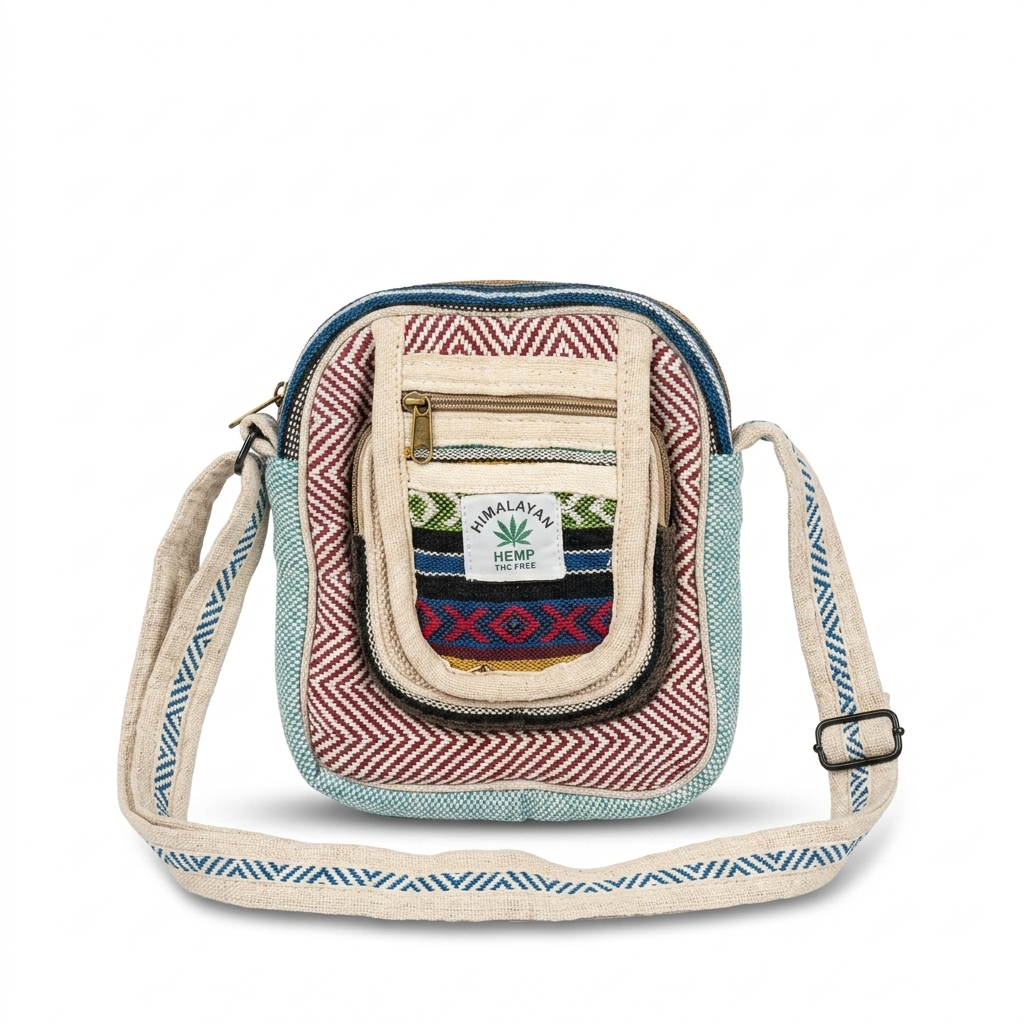
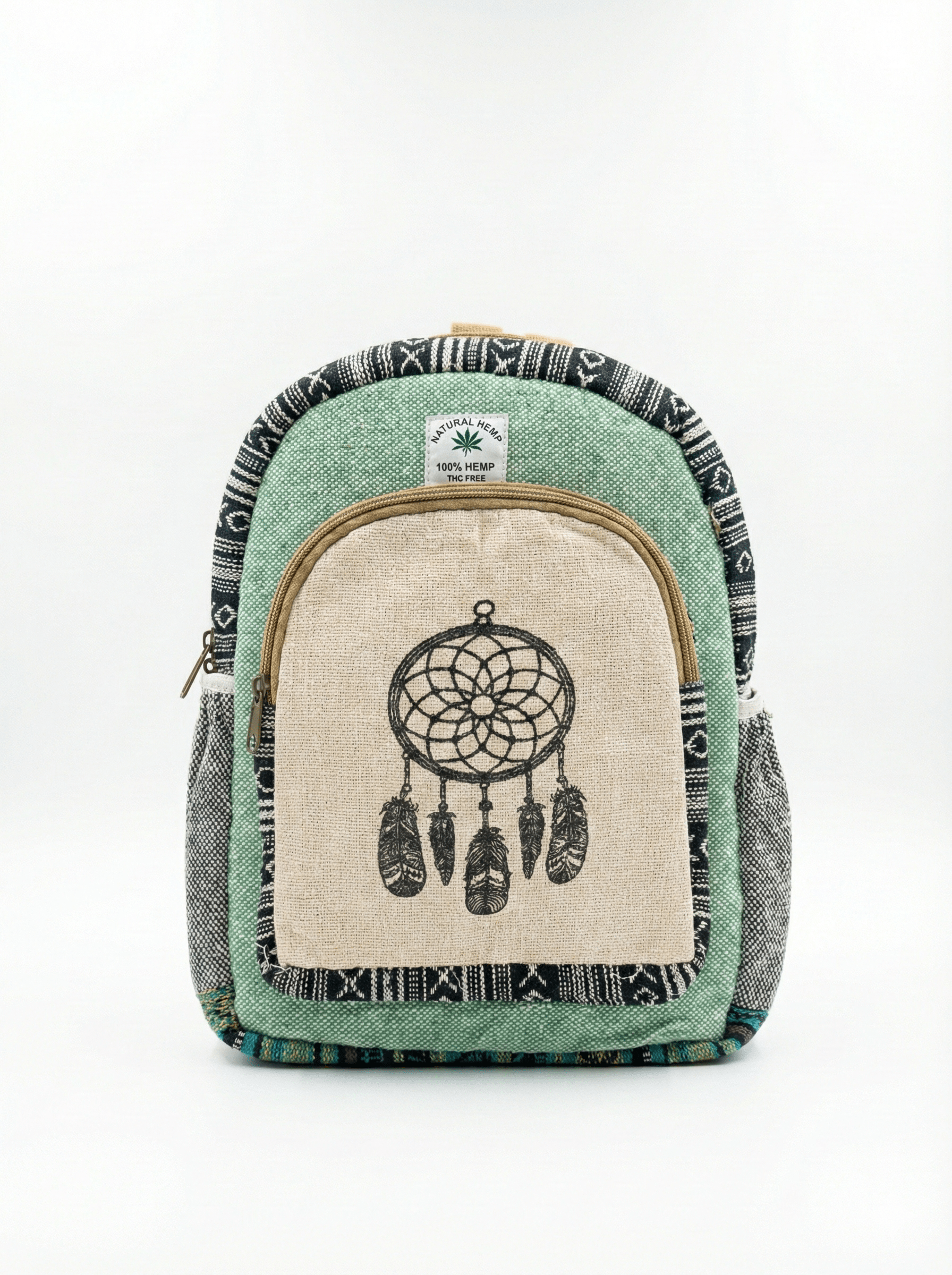
For longer multi-day trips, a hemp backpack India (pithu-style) gives you the capacity for serious packing without the weight penalty of nylon alternatives. The fabric breathes, which matters when you're carrying a bag against your back in summer heat or during monsoon season in Kerala or Coorg.
Clothing: The Most Overlooked Part of Sustainable Gear
Fast fashion is the enemy of sustainable travel. Buying cheap t-shirts that you wear twice and discard creates massive waste. Instead, invest in 2 to 3 quality travel tees that breathe, dry fast, and last through repeated washing.
Look for natural or recycled-fibre tees designed for active use. Khojo's travel t-shirts for Indian explorers are built for exactly this — minimal, durable, and designed with the Indian travel aesthetic in mind. Pack two, rotate, hand-wash. That's the whole system.
Weather Protection Without the Waste
Monsoon season in India (June to September) is when most gear fails. Cheap rain ponchos end up on every mountain trail, discarded after one use. Instead, invest in a durable waterproof rain cover for backpack that protects your gear without contributing to single-use waste.
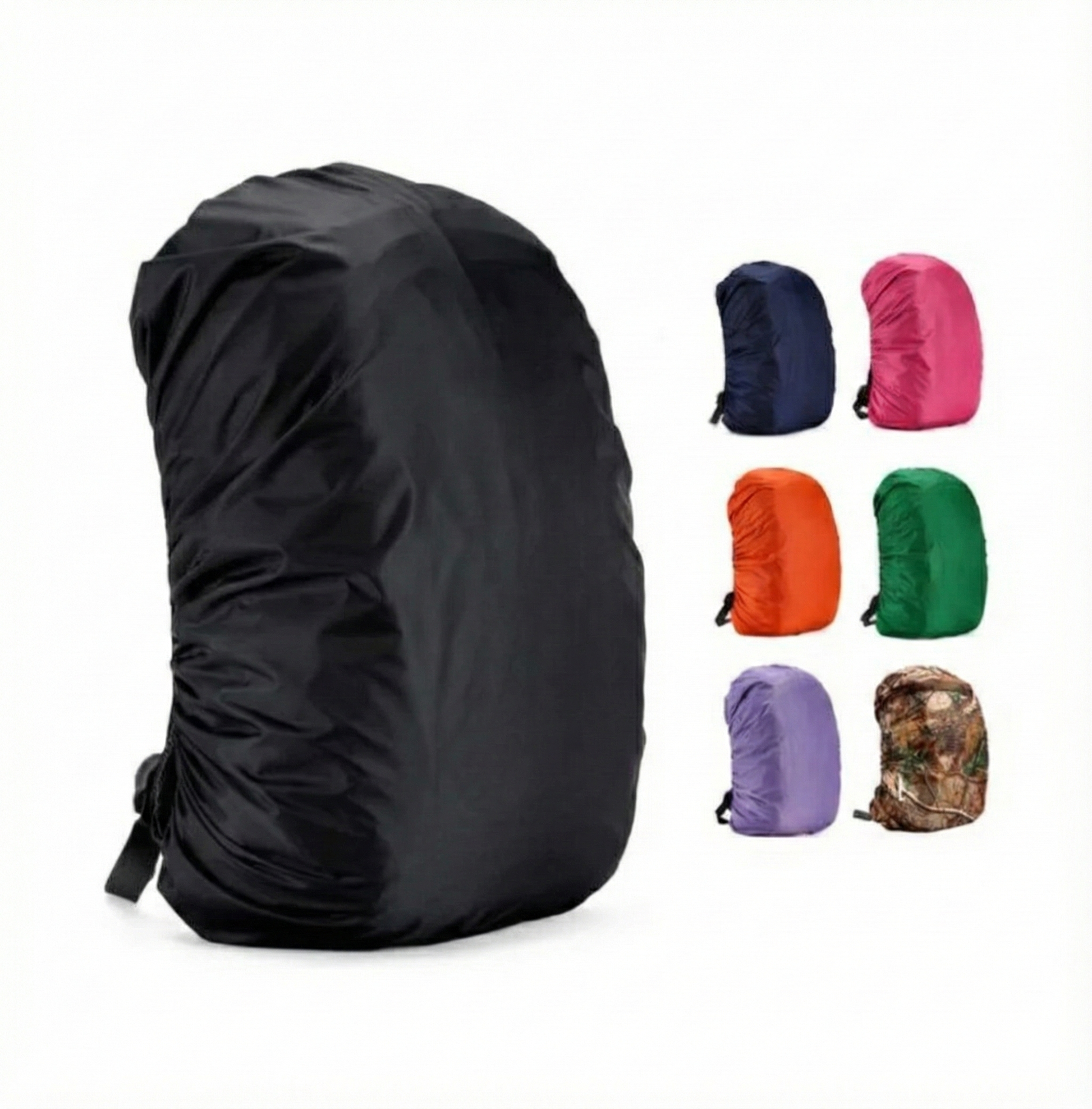
A quality rain cover lasts years, packs down tiny, and keeps your essentials dry through the worst of Spiti storms or Kerala monsoons. It's the single most useful piece of weather protection for Indian backpackers who travel June through September.
Small Gear, Big Impact: Accessories That Add Up
Sustainable backpacking isn't just about the big items. The small stuff matters too:
- Wallet: An eco travel wallet made from hemp keeps your cash and cards slim and organised without adding bulk. Ditch the bulky leather wallet before your next trip.
- Tote bag: A lightweight hemp tote is one of the most useful items you can pack. Use it for market shopping (replaces plastic bags), as a laundry bag, or as a day bag when your main pack stays at the hostel.

- Reusable water bottle: Non-negotiable. Plastic bottle waste at Indian mountain campsites is severe. A steel or aluminium bottle, paired with water purification tablets, eliminates your single-use plastic consumption almost entirely.
- Survival basics: A small multi-tool or Swiss knife from Khojo's adventure gear collection is a sustainable choice because it replaces multiple single-purpose tools in one durable, long-lasting item.
How to Evaluate Any Gear for Sustainability
Not everything marketed as eco-friendly actually is. Here's a simple framework for evaluating gear before you buy:
- Will it last more than 2 years with normal use? If not, it's not truly sustainable — it's just greenwashing with better packaging.
- Is it made from natural or recycled materials? Hemp, organic cotton, and recycled polyester are good signals.
- Is it repairable? A bag with a broken zipper that can be fixed is better than a so-called sustainable bag you have to replace entirely.
- Is the brand transparent? Look for brands that source locally and are honest about their supply chain. Khojo is India-based and sells gear built for Indian travel conditions.
Your Starter Kit: A Practical Sustainable Pack List
If you're starting from scratch, here's a practical starter kit for most Indian backpacking trips:
- Hemp sling or crossbody bag — main day bag
- Hemp pithu or backpack — main travel bag for 3+ day trips
- Hemp tote — folds flat, has infinite uses on the road
- 2 quality travel tees — rotate and hand-wash
- Rain cover for your main bag
- Reusable water bottle
- Basic multi-tool or Swiss knife
You don't need to buy everything at once. Start with the bag — it's the foundation — and build from there over time.
Frequently Asked Questions
Is sustainable backpacking gear available in India?
Yes. Khojo Store ships hemp bags and adventure accessories across India with free shipping. The range covers everything from sling bags to pithu bags, totes, wallets, rain covers, and survival gear.
Is eco-friendly gear more expensive?
Often slightly more upfront, but significantly cheaper per use over time. A hemp bag that lasts 4 years is cheaper in the long run than a cheap nylon bag you replace every year.
What's the most sustainable bag material for travel in India?
Hemp is widely considered the most sustainable natural bag material — it uses less water and no pesticides compared to cotton, is stronger, and biodegrades at end of life. It's also well-suited to India's varied climate zones.
Can I travel sustainably without spending more money?
Absolutely. The biggest sustainable travel wins are free: refusing single-use plastic, taking public transport, supporting local businesses, staying longer in fewer places. Gear is just one part of the picture.
Building a sustainable backpacking kit doesn't require a complete overhaul. Start with one good hemp bag, a quality rain cover, and a reusable bottle — and you're already ahead of most travelers on the trail. Explore the full range at khojo.store/collections and travel with less impact this season. Free shipping across India.