

Kasol to Kheerganga Trek Packing List
TL;DR: The Kasol to Kheerganga trek is 12–14 km one way through the Parvati Valley, gaining around 1,400 metres in elevation. You need a daypack under 10 kg, a waterproof rain cover, trekking shoes, warm layers for the top, and a water bottle. Keep it light — the trail rewards minimalist packers.
You're standing at the Kasol bridge at 7 AM, bag on your back, Parvati River rushing below. You've got two options: haul a 15 kg bag and curse yourself by Rudranag, or pack smart and actually enjoy the trail. This packing list is for the second kind of traveller.
The Kheerganga trek is a rite of passage for Indian backpackers — a 12–14 km climb through pine forests, waterfalls, and mountain meadows that ends at one of India's most famous natural hot springs. Whether you're hitting it in June before the heavy monsoon or pushing through in July, what you carry determines whether you have a good time or a miserable one.
What Kind of Trek Is Kasol to Kheerganga?
The trail starts from either Barshaini or Kalga and winds through dense Himalayan forest, past Rudranag, and up to the campsite and hot spring at Kheerganga (3,050 m). Total distance is roughly 12 km from Barshaini or 14 km from Kalga. It's rated easy to moderate — doable for beginners, but the elevation gain and slippery monsoon terrain mean you can't take gear lightly.
Trail conditions in June and July are often wet. Stream crossings swell. The forest floor turns muddy. Waterproofing your gear isn't optional — it's the difference between sleeping in dry clothes and spending a miserable night at the campsite.
The Core Kasol to Kheerganga Packing List
Bag
You don't need a 60-litre mountaineering pack for Kheerganga. A 20–30 litre daypack is ideal. If you're staying 1–2 nights at the campsite, push to 35 litres max. Keep your total pack weight under 8–10 kg — anything more and the climb becomes punishment.
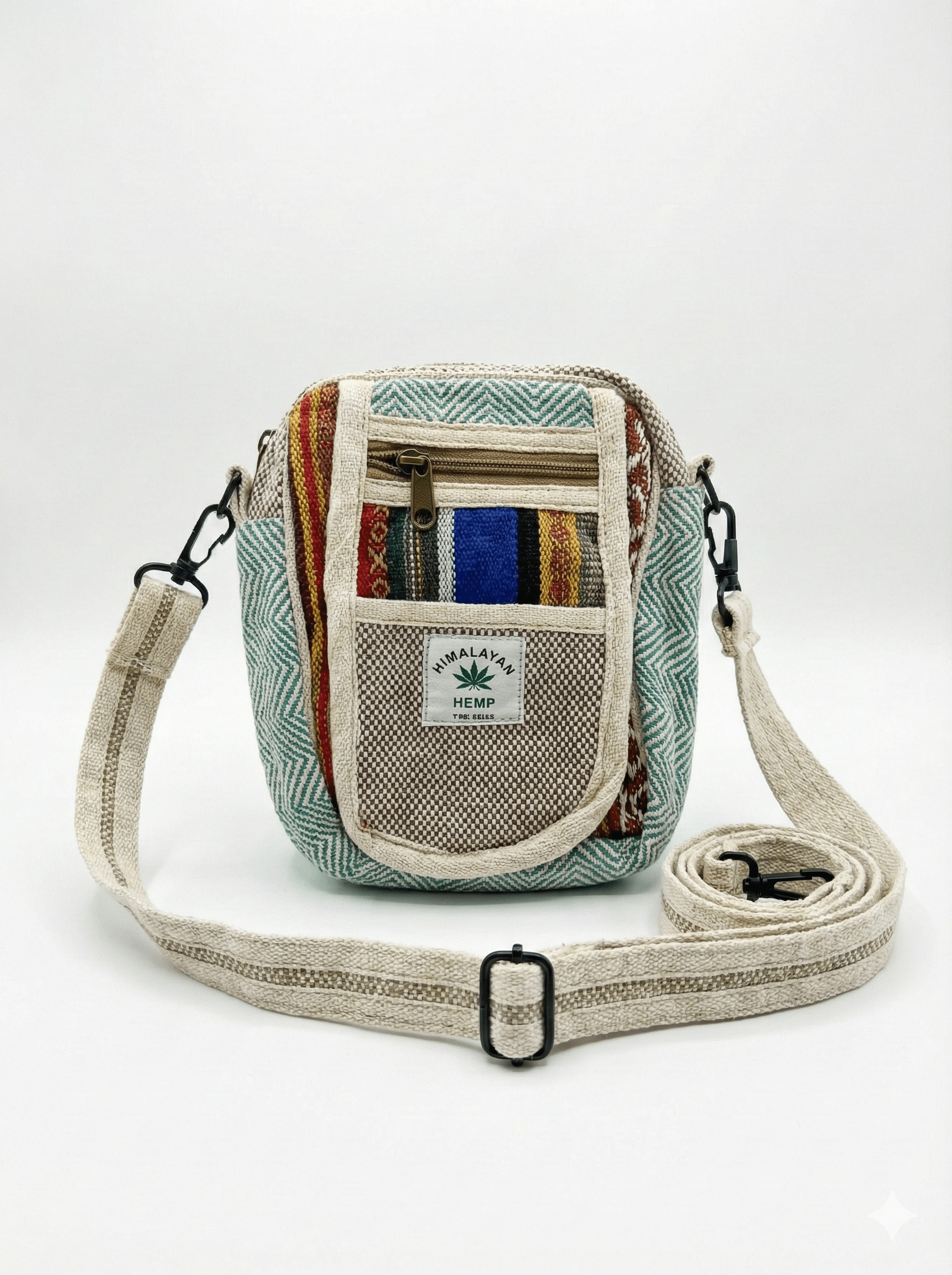
A hemp sling bag for travel works well as a secondary pouch for day essentials like snacks, a phone, and a light layer. Hemp is naturally durable, handles moisture better than synthetic fabrics, and won't give out on you mid-trail. Khojo Store's hemp range is built specifically for this kind of travel — not fashion bags cosplaying as gear.
Clothing
- Base layer: 2 moisture-wicking t-shirts. Avoid cotton — it holds sweat and cools you badly at altitude. A good travel t-shirt for Indian explorers in a breathable fabric is worth every rupee.
- Mid layer: 1 fleece or light down jacket. Kheerganga drops to 10–14°C at night even in June.
- Outer layer: A waterproof windcheater or rain jacket. Non-negotiable in monsoon season.
- Trekking pants: 1 pair. Quick-dry material preferred. Leave the jeans at the guesthouse in Kasol.
- Spare clothes: 1 extra t-shirt and 1 pair of socks.
- Warm socks: 2 pairs. Wool or synthetic blend for cold nights.
- Camp sandals or flipflops: For the hot spring — you'll thank yourself.
Footwear
Waterproof trekking shoes or ankle-support hiking boots. The Kheerganga trail has rocks, tree roots, and muddy patches — trail running shoes work if they have grip, but open sandals are a bad idea. Break in new shoes before the trek.
Waterproofing Essentials
This is where most people underpack. Everything — bag, clothes, electronics — needs protection from rain in June–August.
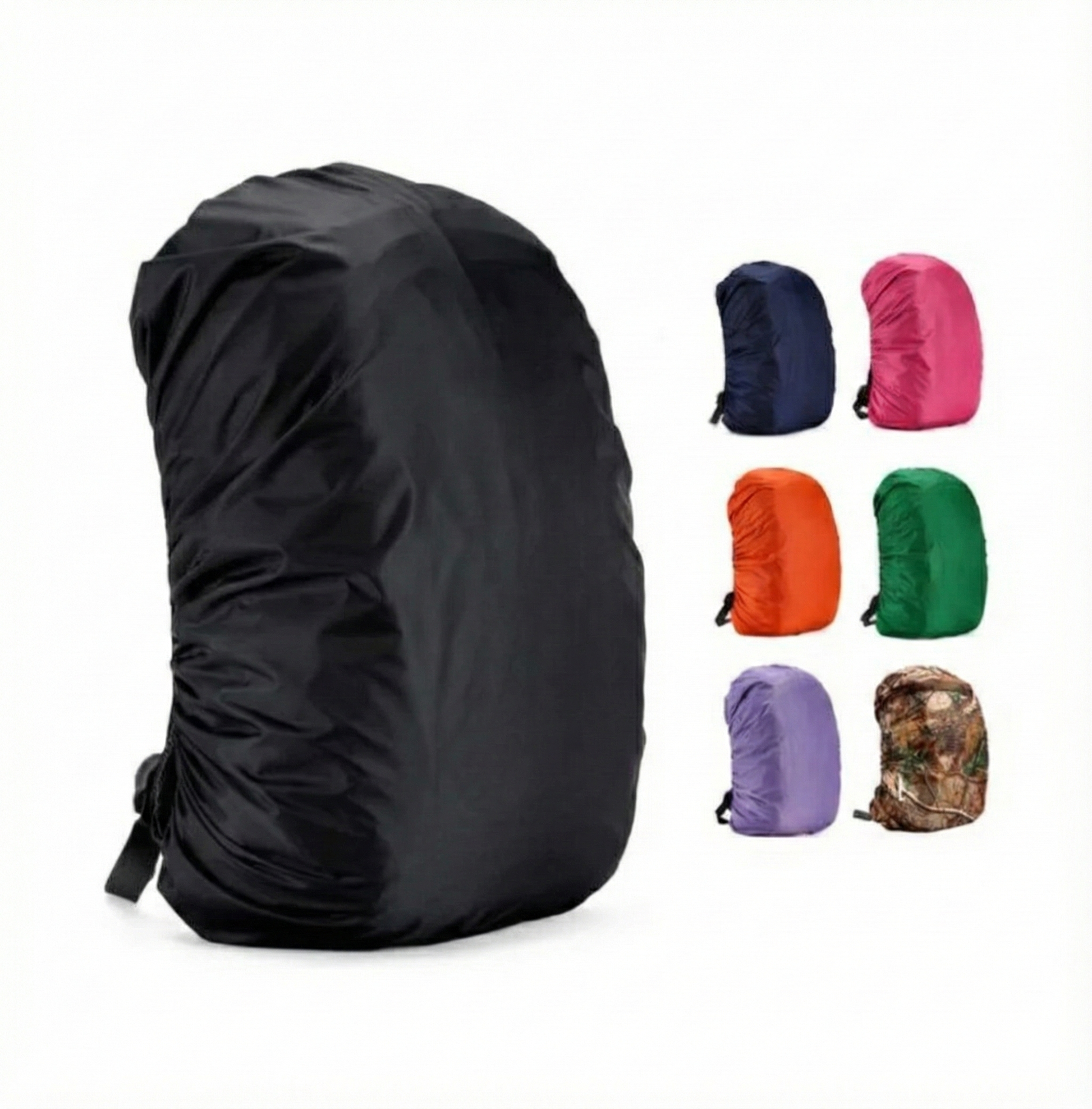
- Rain cover for your backpack: A waterproof rain cover for backpack that fits your bag size is essential. Don't rely on a garbage bag — it slips, tears, and leaves you miserable.
- Dry bags or zip-lock bags: For phone, documents, and a spare set of clothes.
- Rain jacket or poncho: Mandatory outer layer in monsoon season.
Gear & Equipment
- Trekking poles: Optional but helpful on the descent, especially in wet conditions.
- Headlamp + extra batteries: If you're camping overnight, you need this. The campsite has no power.
- Sleeping bag liner or thin sleeping bag: Campsites provide blankets but they're often damp or insufficient on cold nights.
- Reusable water bottle (1 litre minimum): Natural water sources exist on the trail. Carry purification tablets or a filter straw.
- Snacks: Trail mix, energy bars, dry fruits. There are dhabas along the route but they're expensive and limited.
Toiletries & Hygiene
- Sunscreen SPF 50+
- Lip balm
- Insect repellent
- Quick-dry towel
- Toilet paper (pack out what you pack in)
- Biodegradable soap — in line with Khojo's Responsible Travel Initiative (RTI), use eco-friendly toiletries near natural water sources to protect the Parvati Valley ecosystem.
First Aid
- ORS sachets — altitude and sweat drain electrolytes fast
- Bandages and antiseptic cream
- Diamox if you're prone to altitude sickness
- Painkillers
- Blister plasters — your feet will thank you
Documents & Essentials
- Government ID (Aadhaar or Passport) — required for the forest entry permit near Barshaini
- Cash — no ATMs after Kasol. Carry ₹2,000–3,000 for dhabas, camping fees, and emergencies.
- Fully charged power bank (10,000 mAh minimum)
- Offline maps downloaded (Maps.me or Google Maps offline)
What NOT to Bring
This is as important as what you pack. Leave these behind:
- Full-size shampoo or conditioner — use sachets
- Multiple pairs of jeans
- A laptop
- More than one book (bring a Kindle or use your phone)
- DSLR with multiple lenses unless you're a professional
Every extra kilo above 10 kg is felt by kilometre 8. Keep it lean.
Best Bag for the Kheerganga Trek
For a 1-night trip, a 25–30 litre daypack is ideal. Look for padded shoulder straps, a hip belt for weight distribution, and rain cover compatibility.
Khojo Store's lightweight hemp tote and hemp sling bags work brilliantly as secondary carry — keep day essentials accessible without opening your main pack every 20 minutes. Hemp is one of the most durable natural fibres for outdoor use: resistant to UV, naturally antimicrobial, and it gets stronger with use. It also aligns with the kind of low-impact travel Kheerganga's fragile ecosystem needs.

Frequently Asked Questions
Is the Kasol to Kheerganga trek safe in June?
Yes — June is one of the better months before heavy monsoon rains. The trail is accessible and the hot spring is at its best. Expect some morning rain and slippery patches. Waterproof shoes and a rain cover are essential.
Can I rent gear at Kasol or Barshaini?
Basic gear like sleeping bags and trekking poles can be rented in Kasol and at the Barshaini trailhead. Quality varies. If you trek regularly, owning your own gear makes more sense long-term.
How heavy should my backpack be for the Kheerganga trek?
Keep your pack under 10 kg for a comfortable trek. For a day trip, 5–6 kg is enough. For an overnight, 8–10 kg is the upper limit before the climb starts punishing you.
Are there shops or dhabas on the trail?
Yes — there are dhabas at Rudranag and near the Kheerganga campsite. Prices are higher than in Kasol. Carry your own snacks, water, and ORS sachets regardless.
Ready to Trek? Start with the Right Gear
The Kasol to Kheerganga trek doesn't require expensive mountaineering equipment — it requires smart, lightweight, and durable gear. Pack what you need, protect what matters, and leave the mountain as clean as you found it. Browse Khojo Store's full adventure gear collection and hemp bags to build your ideal trek kit. Free shipping across India.