

Best Travel Bags for Spiti Valley: What Actually Survives the Terrain
TL;DR: For Spiti Valley, you need a 35–45L durable backpack with strong shoulder straps, good compression, and either built-in water resistance or a separate rain cover. Hemp and quality canvas bags handle Spiti's dust and cold well. Avoid ultralight fashion backpacks — Spiti's terrain destroys them. This guide covers what bag works, what to avoid, and how to pack it right.
You're on the Kinnaur–Spiti road, somewhere between Kaza and Langza, on a jeep with four other backpackers and your bag strapped to the roof. The road is a dirt track cut into a cliff face at 4,200 metres. Dust is everywhere. Then it starts to rain. This is Spiti — savage, stunning, and completely unforgiving of bad gear choices.
Most travelers ask "which route to Spiti?" before they ask "which bag for Spiti?" — and that's where they go wrong. The bag you carry is the difference between a smooth 10-day trip and a nightmare of broken zippers, shoulder bruises, and soggy clothes at 4,000 metres altitude.
What Makes Spiti Different from Other Indian Destinations
Before the recommendations, understand what you're dealing with:
- Altitude: Kaza sits at 3,800m. Key La Pass hits 4,590m. Your bag needs to stay manageable when your breathing is compromised by altitude.
- Dust: The Spiti Valley is a cold desert. Fine dust gets into everything — zippers, pockets, lenses, electronics. Bag material matters.
- Temperature swings: Warm afternoons (15–20°C), freezing nights (−0 to −5°C). You're carrying layers for both.
- Transport: Most travel is by shared jeep or bike. Your bag spends time on rooftops, strapped to bikes, and crammed in boots. It needs to be durable, not pretty.
- Rain: Unpredictable in July–August. Sudden showers happen even in a technically dry region.
The Best Bag Types for Spiti Valley
Hemp Canvas Backpacks (Highly Recommended)
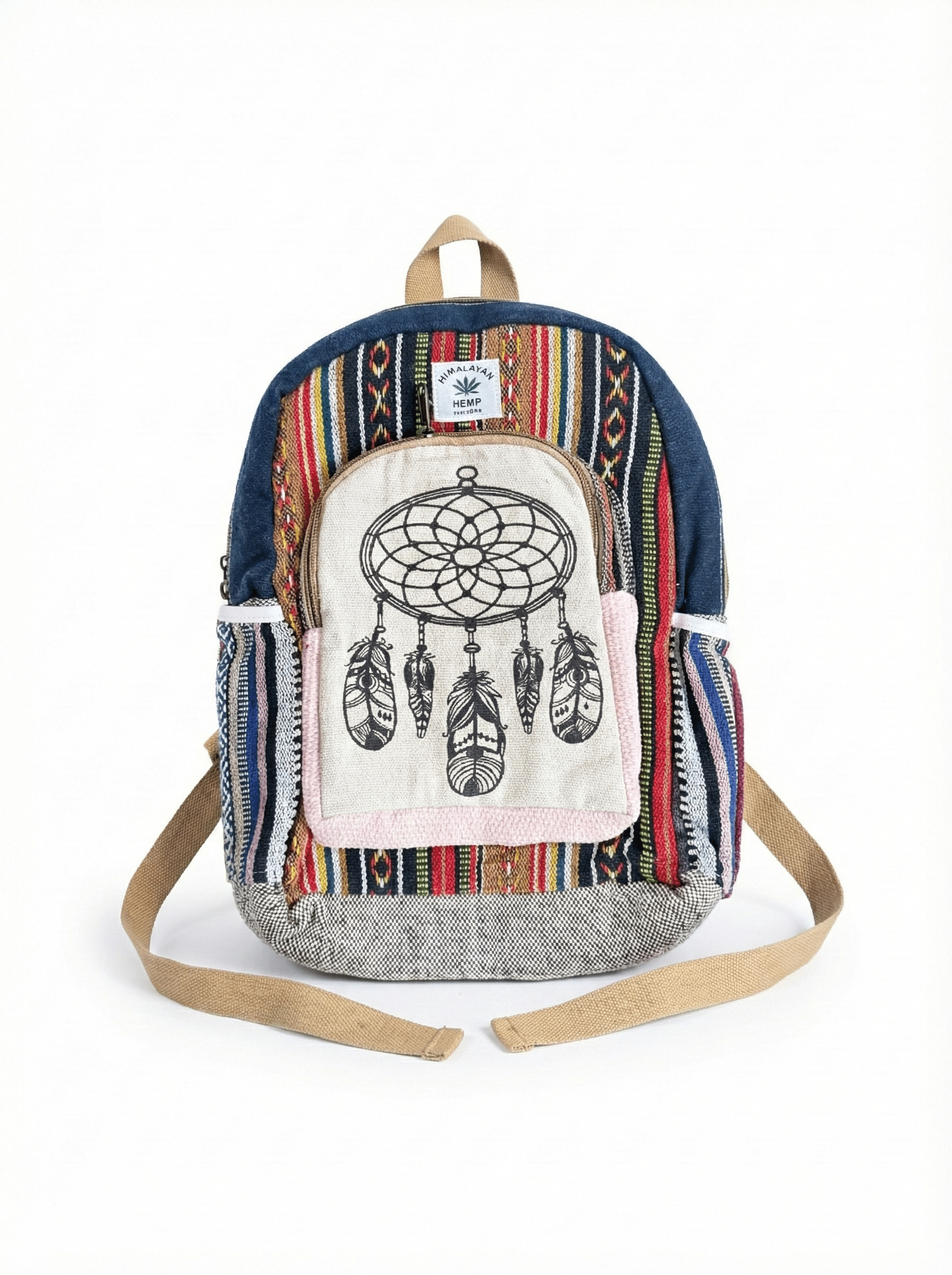
Natural hemp is one of the best materials for Spiti. It's naturally dust-resistant (unlike synthetic mesh pockets that trap fine Spiti sand), naturally moisture-resistant, and incredibly durable under repeated stress. Hemp gets better with use rather than degrading the way synthetic fabrics can. Our hemp backpack India is designed for exactly this kind of terrain — structured, tough, and lightweight enough that you're not fighting the bag on steep trails.
Military-Style Canvas Packs (Good)
Thick canvas with reinforced stitching handles Spiti well. Heavier than hemp, but extremely durable. Works well if you're not doing serious trekking — just moving between villages and monastic sites.
Quality Synthetic Trekking Packs (Good)
Brands like Quechua or Wildcraft's trekking range offer decent durability at a reasonable price. Look for packs with aluminum frame stays or foam padding for load distribution — Spiti's jeep roads are rough enough that a poorly supported pack creates real back pain over 10+ days.
What to Avoid
- Thin-strapped fashion backpacks: Shoulder straps need padding. 40L loaded at altitude = real weight. Thin straps dig in painfully.
- Bags with many external mesh pockets: Spiti dust fills them completely and doesn't come out easily.
- Trolley suitcases: Absolutely useless. No paved sidewalks, no ramps, just dirt roads and stone paths.
- Bags without compression straps: You need to compress the pack down when it's half-full — loose loads swing on bikes and jeep rooftops.
The Right Size for Spiti
For a 7–10 day Spiti trip:
- Main backpack: 35–45L. Big enough for layers, sleeping bag liner, and photography gear. Small enough to stay manageable at altitude.
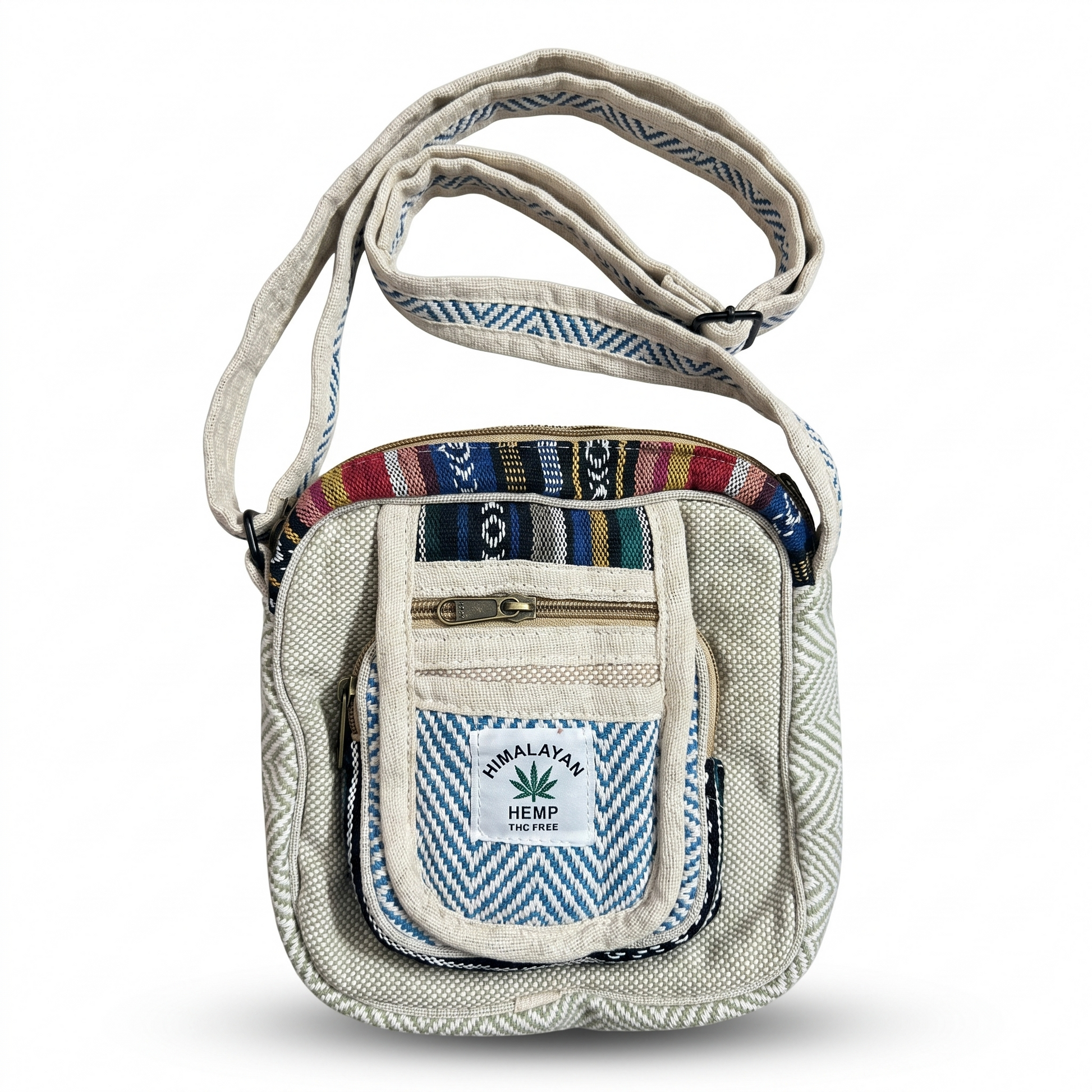
- Day bag: A compact hemp sling bag for travel is perfect for day rides and village exploration. Leave the main pack at your guesthouse and move light.
Essential Add-Ons for Any Spiti Bag
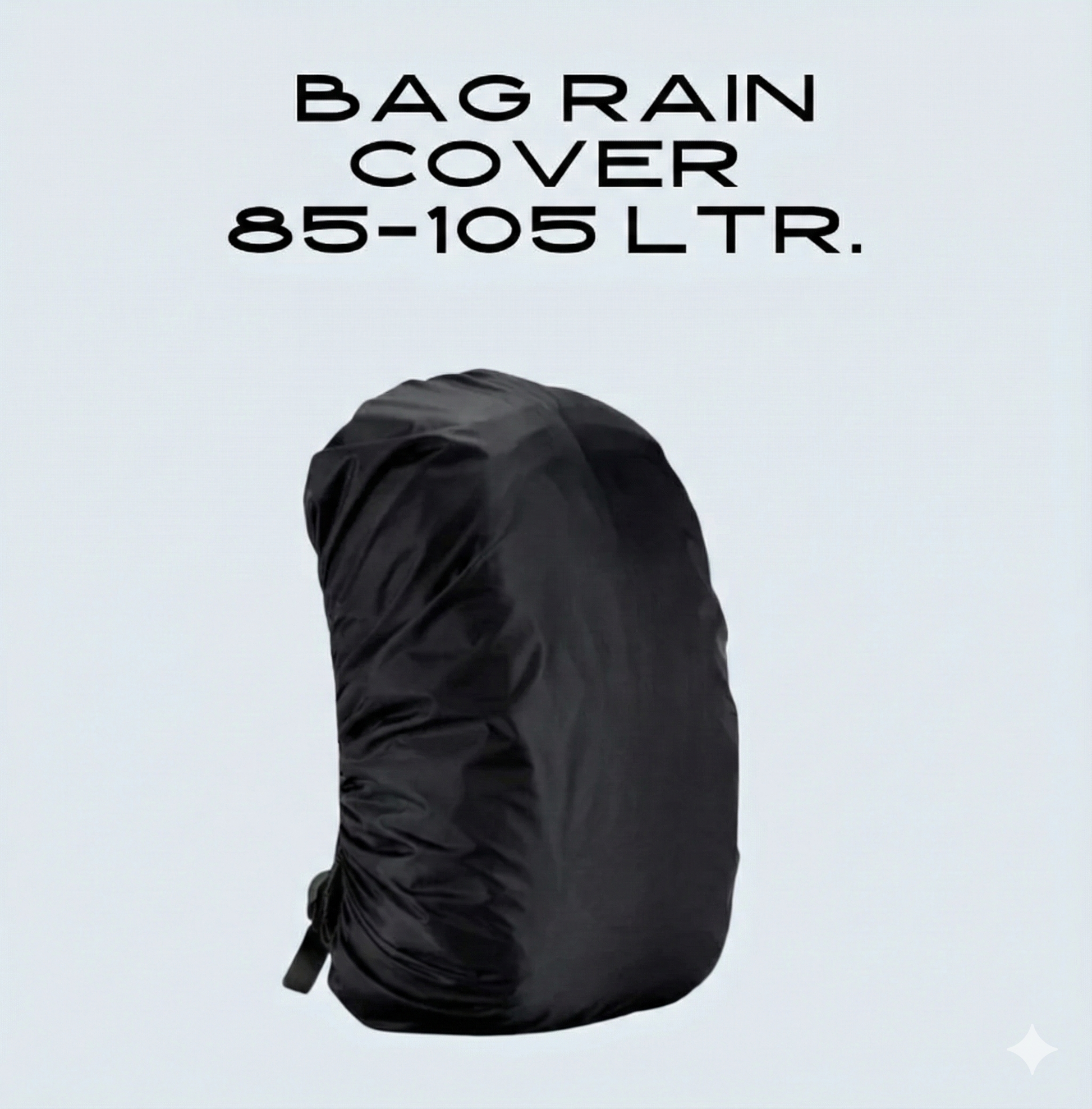
- Waterproof rain cover: A fitted waterproof rain cover for backpack is non-negotiable. Bags tied to jeep rooftops get rained on with zero warning in July–August. One cover saves everything inside.
- Dry bags (2–3 sizes): Electronics, camera gear, and documents go in dry bags inside your main pack. Double protection at altitude.
- Bag lock: Guesthouses in Kaza and smaller villages are generally safe, but a basic cable lock for zipper pulls gives peace of mind.
How to Pack Your Bag for Spiti
Packing strategy matters as much as the bag itself:
- Heavy items (sleeping bag liner, shoes, books) at the bottom close to your back — keeps the centre of gravity low and stable on uneven terrain.
- Mid items (clothes, layers, food) in the middle section.
- Frequently accessed items (rain jacket, snacks, first-aid) at the top or in an outer pocket.
- Electronics and valuables in a dry bag inside, never in outer pockets where Spiti dust settles.
Pack at home, then repack after Day 1 — you always discover what you actually need versus what you thought you needed once you're on the road.
Responsible Travel in Spiti
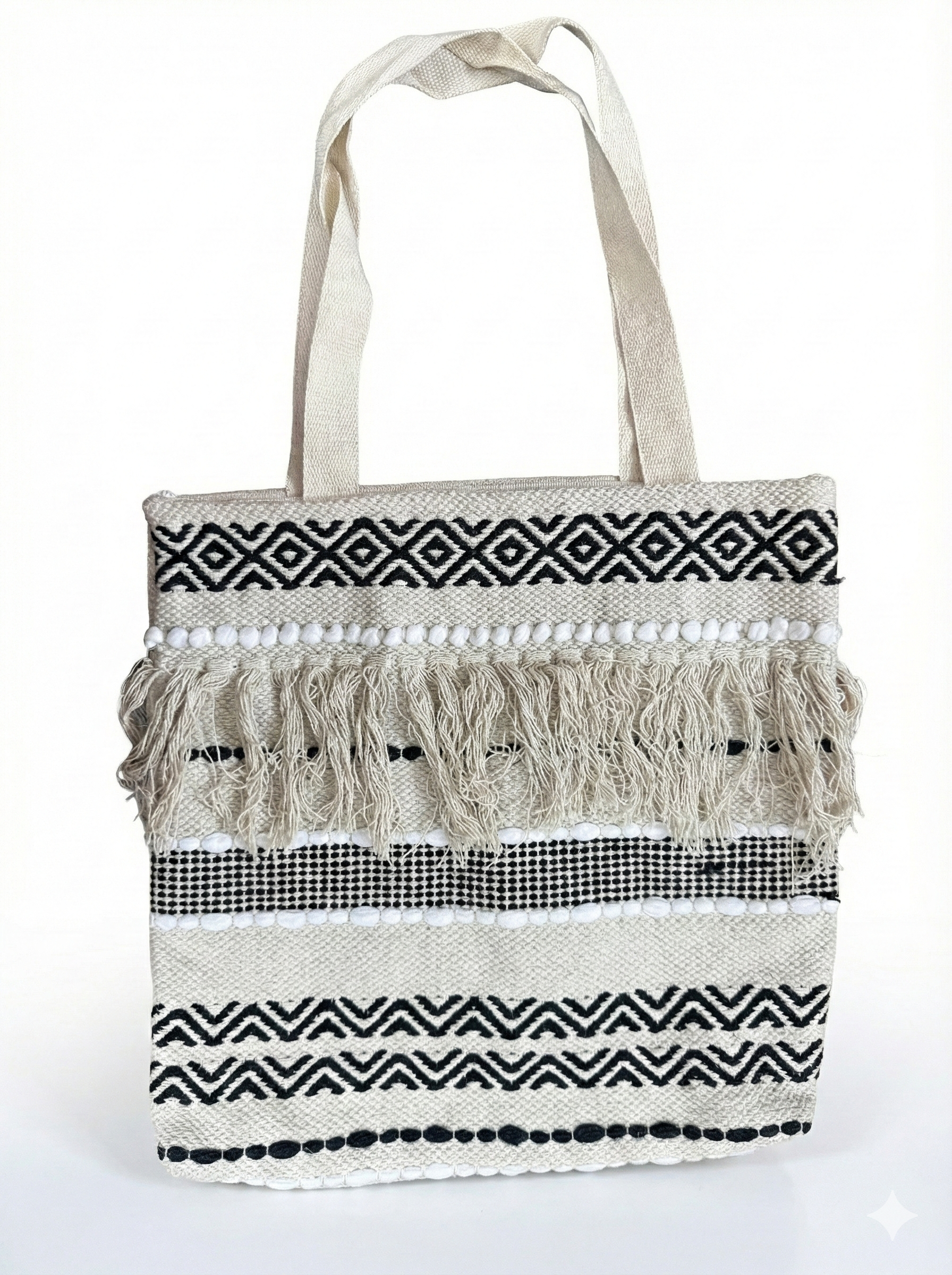
Spiti is fragile. The cold desert ecosystem is sensitive to waste, and the remote monasteries and villages that make it special are under increasing pressure from tourism. Khojo's Responsible Travel Initiative (RTI) encourages every traveler to carry reusable bags, minimize single-use plastic, and support local guesthouses over commercial resorts. A lightweight hemp tote packs flat and replaces countless plastic bags across 10 days on the road.
Frequently Asked Questions
What size backpack is best for Spiti Valley?
35–45L is the sweet spot for a 7–10 day trip. Go smaller and you'll struggle to fit layers and gear. Go bigger and the weight becomes punishing at high altitude.
Are hemp bags good for Spiti Valley?
Yes — hemp's natural dust resistance, moisture resistance, and durability make it well-suited for Spiti's cold desert terrain. It handles the temperature swings and rough transport conditions better than most synthetic fabrics at the same weight.
Do I need a rain cover for Spiti in summer?
Yes. Even though Spiti is a rain shadow area, July and August bring unpredictable showers. Bags tied to bike racks or jeep rooftops are fully exposed. A rain cover weighs almost nothing and protects everything inside.
Can I do Spiti Valley with a 30L bag?
For a bike trip where you're moving light and staying at guesthouses with laundry, 30L works if you pack smart (quick-dry everything, minimal extras). For road trips or camping, 40L+ gives you the flexibility you need.
Heading to Spiti this season? Get geared up with Khojo Store's hemp backpacks and sling bags built for India's most demanding terrain, plus rain covers and trail accessories that actually hold up. Free shipping across India.